

Skin Treatments
Korea Skin Booster Reviews and Complaints: Which Ones Hold Up? Cost, Methods and Recovery
Korea skin booster reviews and complaints sorted: which claims hold up, what sets cost and recovery, and what to check in a clinic. By Dr. Kim Yoo-ju, Seoul.

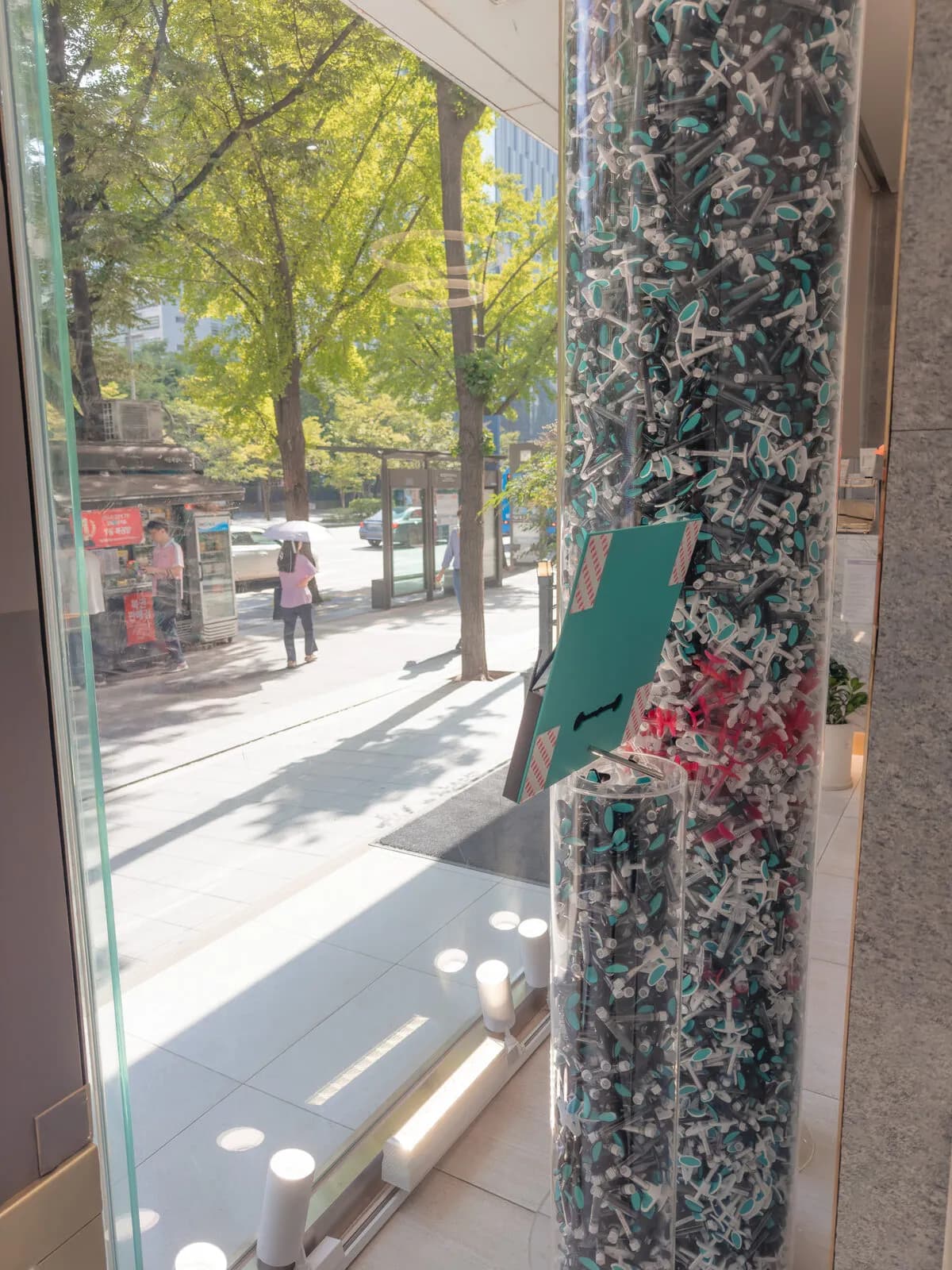
Have Korea skin booster reviews and complaints left you wondering whether skin like yours, thin and quick to redden, would end up in the unhappy half?
Read this before you book a session or a flight.
You'll come away knowing which common complaints are medical facts and which come from expectations nobody set, what decides the cost and the method for your skin, and what recovery looks like over the first week. That makes it easier to pick a plan, and a clinic, that suits reactive skin.
Hello, this is Dr. Kim Yoo-ju, Founder & Medical Director, Time Return Clinic, in Seoul's Yeouido district.
Every plan here begins with a doctor consultation, and I check skin thickness, texture and sensitivity before setting depth and amount. For Rejuran, the consultation and the injection are both mine, done by hand, with plasma 5-step anesthesia (5A+) that you set from level 0+ to 5+.
I wrote this because complaint threads tend to blame the product, while most of what they describe is a mismatch between the skin, the plan and what the person was told to expect.
Read together, the complaints mostly come down to three things: bumps or redness that lasted longer than expected, little change after one session, and a plan that was never explained. You can check each of these before you book, and none of them on its own means the product was at fault.
If one thread in particular is worrying you, send a daylight photo of your cheeks without makeup on WhatsApp, describe the reaction you had last time, and ask whether that pattern changes what you should try. A photo and two lines of text are enough to start.
Korea skin booster reviews and complaints: what they actually describe
The reactions people post about are mostly real, and mostly short-lived. With a PN booster such as Rejuran, small raised bumps form at the injection points while the product settles. They usually flatten in about 1 to 3 days, and mild redness fades in about 1 to 2. Bruising can happen too, and on thin skin it shows more.
“Nothing changed” is the second big group. Skin boosters work by stimulating the dermis, and that kind of change builds gradually. A post written on day three describes the bumps; the result comes later.
The third group is about the visit: feeling rushed, not knowing who injected, or being handed a plan without being told why. Those complaints say little about the product and a lot about the consultation, which is the part you can check from home.
Which claims are true, and which aren't?
True: it stings. Boosters go into the shallow dermis, and the shallower the injection, the more it hurts. Numbing changes how much you feel, and pain tolerance varies, so a thread written by someone who had only numbing cream tells you little about a session at a higher numbing level.
True: thin skin bruises and reddens more easily. If your cheeks flush quickly, expect the visible part of recovery to run a little longer than an average post describes.
Not quite true: “a lower price means watered-down product.” Rejuran is the same genuine product wherever it's used; what can differ is how much goes in and how accurately it reaches the dermis.
Not true as a rule: “one session should be enough.” How many sessions you need depends on your skin, and I don't promise a number before I've assessed it. For skin that has thinned over years, one visit is often the first step of a plan.
The research on PN boosters is still growing. A systematic review of polynucleotides in esthetic medicine, published in the Journal of Cosmetic Dermatology, found the published studies mostly point toward better skin quality, with study sizes that remain modest. That's a reasonable expectation to bring: gradual change in texture and elasticity, measured in weeks.
How do you check a Korean clinic before you book?
Much of what fills Korea skin booster reviews and complaints threads can be checked before you ever board a plane. Five questions cover most of it.
Ask who injects, by name. For Rejuran here, the answer is me, from the consultation through the injection. Wherever you go, you should know before the day whose hands it will be.
Ask whether a skin assessment comes before the plan. Thin, reactive skin needs depth and amount set to it, and that can't be decided from a package list.
Ask which product, how much, and whether you can see it sealed. Genuine product at the exact dose is a standing rule here, and it's a fair thing to ask anywhere.
Ask what the aftercare instructions are and what to do if a reaction appears once you're home. The US CDC's medical tourism guidance suggests keeping copies of your treatment records and arranging follow-up care at home before you go.
Check credentials you can verify. Our doctors page shows the certificates behind my titles, including the Rejuran Healer Expert designation from PharmaResearch, and the clinic is a Rejuran SVIP clinic selected by PharmaResearch.
Say your cheeks stayed red for a week after a booster at home, and you're now reading every complaint thread you can find. Before choosing a product, I'd want to know whether the redness came from the injections or from skin that was already inflamed, because injecting into active inflammation is a reason to calm the skin first. If the skin is settled on the day, a thin, reactive cheek is where I'd keep the amount per point small and the spacing close. Going deeper just to make it hurt less can place the product below the dermis, where it does less.
Doctor's note
A thread can tell you what happened to someone's skin. It can't tell you how thick that skin was, how deep the product went, or whether it was already inflamed that morning. Those three things are what I look at before I decide where and how much to inject, and they explain why two people can describe the same booster so differently.
Before you write, note the name of the product you had at home if you know it, and roughly how many days the redness lasted. Send that with a photo of your skin as it looks today, and ask whether it should be calmed before any booster.
What decides the cost of a skin booster?
A skin booster plan is priced from a handful of decisions about your skin. The first is which booster. Here I work with four Rejuran products from PharmaResearch, covering overall skin quality, dry skin that needs hyaluronic acid, the thin skin around the eyes, and depressed acne scars, and I choose one or a combination after assessment.
The second is how much area: under-eyes alone, cheeks, or the full face. The third is how many sessions, which I set after seeing your skin rather than in advance.
Every plan here is tailored after a skin assessment, so the fee is confirmed by message. To get the figure for your own case, ask on WhatsApp what your plan would cost, and list the areas you're thinking about.
Methods: hand injection, devices and thin skin
Hand injection lets the doctor change depth, pressure and angle from one point to the next, which matters where the dermis is thinnest. I go through this in why hand injection suits thin skin.
If you're new to the product itself, a plain-English guide to Rejuran covers what PN is and where it comes from. Some people also ask about pairing a booster with microneedling, and whether you need microneedling with your booster sets out what to ask. For depressed acne marks, what a skin booster can do for acne scars is the closer match.
Who should hold off, and what if something flares at home?
Risks and side effects to know
Expect small bumps for about 1 to 3 days, mild redness for about 1 to 2, some stinging, and possibly bruising or swelling, which shows more on thin skin. Bleeding, infection and inflammation are possible complications of any injection, and allergic reactions can occur.
In general, it makes sense to hold off if the skin has an active infection, a cold sore or an inflamed breakout where you'd be treated; if you had a laser or peel there recently; while taking isotretinoin; during pregnancy or breastfeeding; or if you're allergic to fish or salmon, since the PN in Rejuran is salmon-derived. A flare of rosacea or eczema is another reason to settle the skin first.
If, once home, redness or swelling grows after the first few days, a firm lump appears weeks later, or the area turns hot or painful, see a doctor locally without delay and take your treatment records with you. Results vary by individual.
Recovery over your first week
On the day, the bumps are at their most visible. Wash gently with lukewarm water, keep using moisturizer and sunscreen, and leave makeup until 24 hours have passed; after that, keep it light.
For about a week, avoid saunas, steam rooms, hot baths and hard exercise, along with scrubs and touching the treated area. Leave alcohol and smoking aside for 1 to 2 weeks. If a hotel spa or hot spring is part of your trip, book it for the days before your session.
Weekday hours run until 20:00 and Saturdays until 16:00, with Sundays and public holidays closed, so a weekday evening session can follow a day of sightseeing. Waiting times for Rejuran can run from weeks to months, and writing early leaves you more dates to choose from.
When you're ready, your first WhatsApp message needs three things: a daylight photo of your skin today, your dates in Seoul, and one question, for example “Would you calm my skin first, or start the booster this trip?” The clinic replies with available times. When you visit, I examine your skin face to face and recommend the plan that suits it.
Questions we get about korea skin booster reviews and complaints
Are bumps that last three days a bad sign after a booster?
How can I check a Korean doctor's credentials from overseas?
Can I have a skin booster while my skin is still red from an earlier treatment?
Why do some people see little change after one session?
Is a fish allergy a problem for Rejuran?
Results vary by individual. Every procedure carries the possibility of side effects, explained before you agree to treatment. This article is general information from the clinic, not a diagnosis. Suitability is decided at the consultation.
Premium Rejuran is Time Return.
Premium Rejuran film 1
Premium Rejuran film 2
Written by
Dr. Kim Yoo-ju
Chief Director · Time Return Clinic
- Patent holder: thread lifting with collagen film (registered January 2021); also holds Korea’s only body thread lifting patent (as of March 2, 2021)
- Rejuran clinical advisor and Rejuran Expert
- Thermage TTT Master: User, Advanced and Master courses completed (Solta Medical Academy, 2026)
Related articles
Skin Treatments
Korean Skin Booster Injection Price: What Decides It? Forum Claims, Methods and Recovery
Korean skin booster injection price depends on the booster, area, dose and numbing. Dr. Kim Yoo-ju explains each, plus recovery. Send a photo on WhatsApp.
· 8 min read
Skin Treatments
Order Skin Booster Korean: The First 72 Hours After a Session in Seoul
Searched order skin booster Korean? In Seoul it is a doctor's injection, not a parcel. Here is the first 72 hours and what it means for your flight home.
· 7 min read

Skin Treatments
Are Korean skin boosters safe to use with microneedling?
Korean skin boosters for microneedling: what the FDA says, who should skip it, and how a hand-injected PN booster differs. Send your travel dates on WhatsApp.
· 9 min read
Ready to plan your Rejuran visit?
Send your skin concern and dates. The clinic replies with available times.
Message us your plan